Yes – patients can still get medical marijuana cards 2026 even after the recent federal cannabis law changes.
Truth is, a lot of people using medical weed might find it simpler to get their hands on it down the line. Those big federal shifts lately, like bumping cannabis to Schedule III, have everyone in healthcare and the pot world buzzing about what comes next. But here’s the thing – these moves don’t wipe out the state-run medical programs or turn those patient cards into relics overnight. Patients are getting all mixed up over these updates. You hear some saying, ” Hey, no more need for that card, or others panicking that the whole setup’s about to vanish. What actually happens is way less dramatic.
In pretty much every state where it’s legal, those medical marijuana cards keep right on working, and they’re still key for folks who need them. Go ahead and apply if you haven’t; it’s the same old process.
Understanding the Federal Cannabis Changes
Cannabis has been stuck in that top-tier illegal category for years. Schedule I, under the federal drug law. No real medical value, they said, and way too risky for abuse.
Then comes 2026. Big shift. Some medical marijuana types and those FDA-approved cannabis items slide over to Schedule III. What stands out is how this finally nods to actual health benefits without the old panic about addiction. Lower risk label. Accepted uses. Pretty much flips the script from before.
But hold on. Does not equal total green light from Washington. Recreational stuff? Still off-limits federally. And states keep doing their own thing, which creates this messy patchwork in practice.
The real issue tends to be sorting through all that overlap. It just means more careful navigation for anyone involved.
State Medical Marijuana Programs Still Exist
People in 2026 still mix this up all the time. They figure the federal push on cannabis just sweeps away those state-run medical marijuana cards 2026 setups overnight.
Those state programs? They stick around, operating just like before in every corner of the country. And patients who qualify under their state’s legal medical cannabis rules – they keep right on accessing what they need.
- Apply for medical marijuana cards
- Renew existing cards
- Visit licensed dispensaries
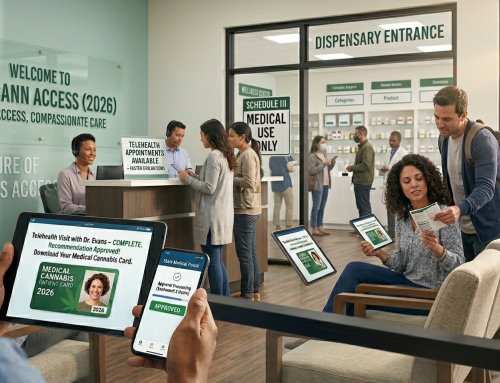
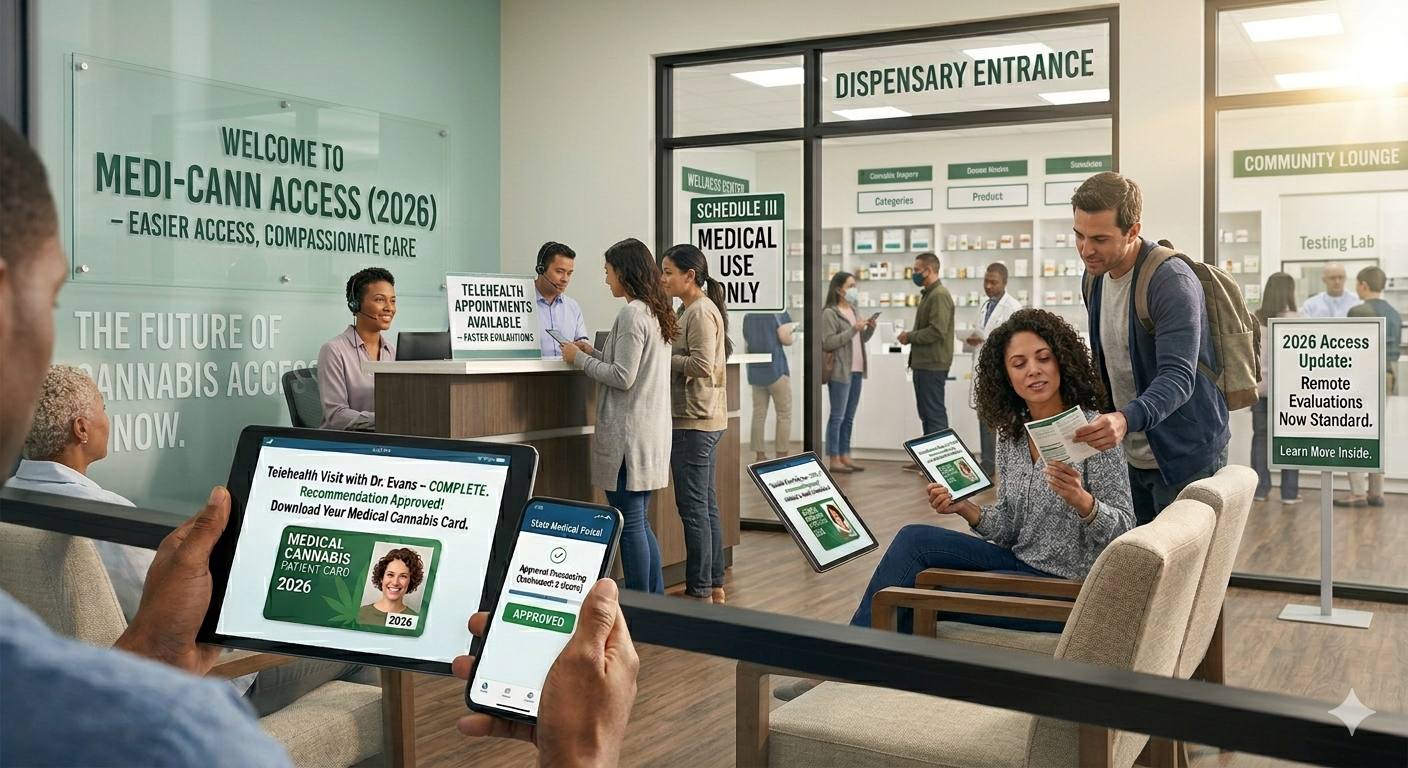
- Use telehealth evaluations where allowed
- Purchase medical cannabis legally under state law
Those federal changes didn’t kill off the state programs. State medical marijuana setups keep operating pretty much unchanged, right through the latest federal tweaks.
Why Medical Marijuana Cards Still Matter
Even after the Cannabis Schedule III update, medical marijuana cards still provide important benefits for patients.
In many states, cardholders may receive:
- Legal state-level protections
- Access to licensed medical dispensaries
- Higher purchase limits
- Lower cannabis taxes
- Access to stronger medical products
- Priority access during shortages
State programs for medical marijuana stick to helping out patients who have real medical issues that qualify.
Cards for that keep doing their job just fine. Even while the feds tinker with bigger cannabis rules down the line.
Patients Can Still Apply Online
Telehealth remains one of the biggest reasons medical marijuana access continues growing in 2026.
Many states still allow patients to:
- Book an online appointment
- Speak with a licensed cannabis doctor virtually
- Receive approval
- Register with the state program
- Obtain a medical marijuana card
Federal law changes have not stopped telehealth marijuana evaluations in states where they are legally permitted.
In fact, growing federal recognition of cannabis as a medical treatment may encourage even more healthcare providers to participate in medical marijuana evaluations over time.
Federal Changes May Actually Help Patients
Even with medical marijuana cards still mandatory in a bunch of states, those fresh federal tweaks to cannabis rules stand to ease things up for patients pretty soon.
Reduced Stigma
When the government starts treating cannabis like it actually has legit medical uses, that stigma around using it for health reasons starts to fade a bit. People dealing with medical issues feel way less awkward bringing it up with their doctors or even at home with relatives.
You’d think it’d be straightforward, but turns out that kind of backing from official channels makes all the difference in opening up those conversations.
More Medical Research
Researchers hit a wall trying to study marijuana. Classifying cannabis as Schedule
Schedule III classification may allow:
- Expanded medical studies
- Better clinical research
- Improved dosing guidance
- More healthcare involvement
Doctors are starting to see how cannabis could change the game for treating chronic pain.
IT might also ease the trauma from PTSD, cut down those brutal epilepsy seizures, dial back daily anxiety, and even blunt the rough edges of cancer treatments. Thing is, you’d figure this stuff would be a no-brainer by now. But the research piles up inch by inch, kind of frustrating when you think about it. Patients stuck without better choices than standard meds? They stand to gain a ton if this pans out.
Improved Healthcare Integration
As federal acceptance grows, medical marijuana may slowly become more integrated into mainstream healthcare systems.
That could eventually lead to:
- More physician participation
- Better patient education
- Expanded cannabis treatment discussions
- More standardized medical guidance
Recreational Marijuana Is Different
Patients really need to grasp one key thing. Medical marijuana gets handled way differently from the recreational kind in tons of state laws – even if both come from the same plant.
Recent federal actions mainly focus on:
- FDA-approved cannabis products
- State-regulated medical marijuana systems
Recreational pot faces federal roadblocks in plenty of scenarios, even heading into 2026.
The gap keeps medical cards relevant for people who need cannabis to manage actual health problems. They join state programs and end up with protections or access that casual users just don’t get.
Could Medical Marijuana Rules Change Again?
Cannabis rules shift pretty fast these days. Federal people are digging into wider pot policies right now. More tweaks could pop up down the line. Hearings and talks in government circles keep going strong on things like rescheduling the stuff and how it fits into health rules.
Big overhauls? They drag on, usually. This line of work, that slow grind, makes sense when you’re dealing with layers of red tape.
For now, patients should continue following:
- Their state cannabis laws
- Medical marijuana card requirements
- Licensed dispensary regulations
- State renewal rules
Until broader federal legalization happens, state medical marijuana systems are expected to remain extremely important.
What Patients Should Do Right Now
If you currently have a medical marijuana card, there is generally no reason to panic because of the federal updates.
Patients should:
- Keep their medical marijuana cards active
- Renew certifications on time
- Continue purchasing from licensed dispensaries
- Follow state regulations carefully
- Stay updated on cannabis law changes
If you are a new patient, you can still apply for a medical marijuana card in states where medical cannabis is legal.
The process in many states remains:
- Simple
- Fast
- Telehealth-friendly
- Patient-focused
The Future Looks More Positive for Medical Marijuana Patients
Looking at cannabis policy for 2026, it strikes as the most patient-friendly setup we’ve seen so far for people using medical marijuana.
Federal talks keep pushing things forward – think reform efforts, that potential shift to Schedule III status, more funding for studies, and easier telehealth options. All this builds a stronger case for doctors to embrace cannabis as a real treatment path.
The big holdup remains full legalization at the national level. But in everyday healthcare, it’s starting to feel less like some offbeat remedy and more like a standard car; providers are warming up to it, bit by bit. You’d figure it’d take longer, but turns out the momentum is real.
For patients, that could mean:
- Easier access
- Better research
- Improved healthcare support
- Reduced stigma
- Expanded telemedicine options
Final Thoughts
The 2026 federal tweaks to cannabis laws won’t shut down your shot at a medical marijuana card.
State programs keep running as usual. You can hop on telehealth calls for evaluations in plenty of spots, and applying legally stays possible wherever medical cannabis gets the green light. These shifts show cannabis finally getting some real respect as medicine, not just the wrap-up for existing setups.
Laws around this stuff shift all the time. But cards like these hold steady as a key way for patients to get legal access nationwide; the industry’s always in flux. Patients really need to stay on top of any changes coming down the line. That way, they follow the local guidelines and link up with trustworthy doctors, keeping everything legit and risk-free.
<span data-contrast="auto">Yes, patients can still apply in states with legal medical marijuana programs.</span><span data-ccp-props="{"335551550":6,"335551620":6}"> </span> <span data-contrast="auto">No, cannabis laws still vary by state.</span><span data-ccp-props="{"335551550":6,"335551620":6}"> </span> <span data-contrast="auto">Yes, most states still require active patient registration.</span><span data-ccp-props="{"335551550":6,"335551620":6}"> </span> <span data-contrast="auto">Yes, many states continue to allow online evaluations.</span><span data-ccp-props="{"335551550":6,"335551620":6}"> </span> <span data-contrast="auto">No, recreational cannabis laws still differ across states.</span><span data-ccp-props="{"335551550":6,"335551620":6}"> </span> FAQ’s
Can you still apply for a medical marijuana card in 2026?
Did federal law changes legalize cannabis nationwide?
Are medical marijuana cards still required?
Can patients still use telehealth for marijuana evaluations?
Does Schedule III mean recreational marijuana is legal?